
Sustainability has become a core focus for businesses worldwide, and the packaging industry is no exception. Reducing waste, improving efficiency, and minimizing environmental impact are all essential objectives. One technology that supports these goals is the Texwrap machine. Widely used in industrial and commercial packaging operations, Texwrap machines offer efficient, reliable, and eco-friendly solutions that help companies achieve their sustainability targets.
Understanding Texwrap Machines
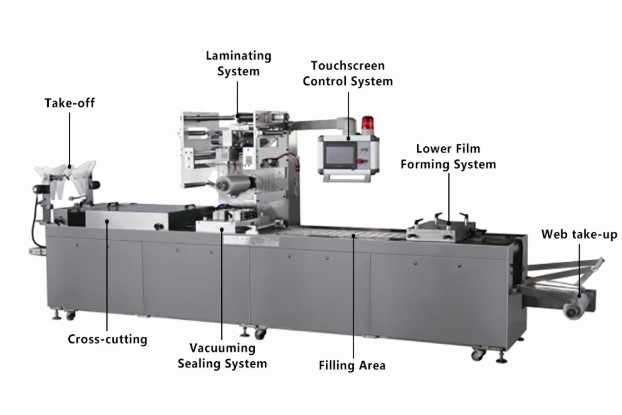
Texwrap machines are automated packaging systems designed for wrapping, bundling, or securing products. They are commonly used for shrink-wrapping, stretch-wrapping, and other types of protective packaging. Their key features include precise material application, high-speed operation, and versatility for handling different product sizes and shapes.
By automating packaging processes, Texwrap machines reduce material waste, ensure consistent product protection, and optimize overall operational efficiency. This makes them an excellent tool for businesses aiming to meet sustainability standards while maintaining high productivity.
Reducing Packaging Material Waste
One of the most significant sustainability benefits of a Texwrap machine is its ability to minimize packaging material usage. Unlike manual wrapping methods, which often result in overuse or inconsistent application, Texwrap machines apply film or wrap with precision.
Consistent application: The machine ensures that each product receives the exact amount of wrap needed.
Minimized overwrap: Automated controls prevent excessive material usage, reducing waste.
Optimized film tension: Proper tension ensures secure packaging without unnecessary layers, saving on film costs.
By reducing material consumption, companies can lower their environmental footprint while also cutting costs on packaging supplies.
Enhancing Recyclability
Texwrap machines support sustainable practices by allowing for the use of recyclable and biodegradable films. Modern systems are compatible with eco-friendly packaging materials, enabling businesses to transition from traditional plastics to more sustainable alternatives.
Recyclable films: Many Texwrap machines can handle films made from polyethylene or other recyclable materials.
Biodegradable options: Some machines are compatible with compostable or plant-based wraps, further reducing environmental impact.
This adaptability ensures that companies can meet sustainability targets without compromising packaging performance or product protection.
Improving Operational Efficiency
Efficiency is closely tied to sustainability. A Texwrap machine enhances operational efficiency in several ways:
Faster production rates: Automated wrapping reduces manual labor and speeds up packaging processes.
Reduced errors: Consistent wrapping minimizes damaged or poorly packaged products, lowering waste.
Energy savings: Modern Texwrap machines are designed to operate efficiently, reducing electricity consumption compared to older, less efficient equipment.
By streamlining packaging processes, businesses can conserve resources, reduce waste, and support broader sustainability initiatives.
Supporting Corporate Sustainability Goals
Many organizations are committed to corporate social responsibility (CSR) and environmental stewardship. Implementing a Texwrap machine aligns with several key sustainability goals:
Reducing plastic usage: Precision wrapping lowers the amount of film needed per product.
Minimizing landfill contributions: Efficient, recyclable, or biodegradable wraps decrease the volume of waste sent to landfills.
Energy conservation: Automated machines typically consume less energy than manual alternatives over large production volumes.
Adopting such technology demonstrates a company’s commitment to environmentally responsible practices, which can enhance brand reputation and appeal to eco-conscious consumers.
Industries Benefiting from Texwrap Machines
Texwrap machines are versatile and suitable for various industries:
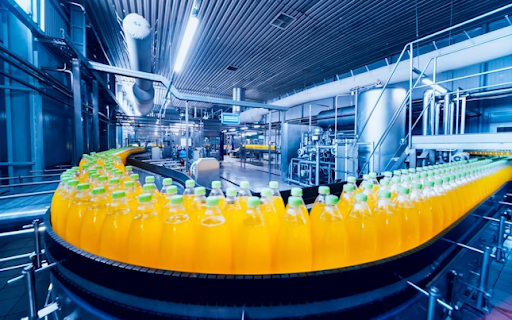
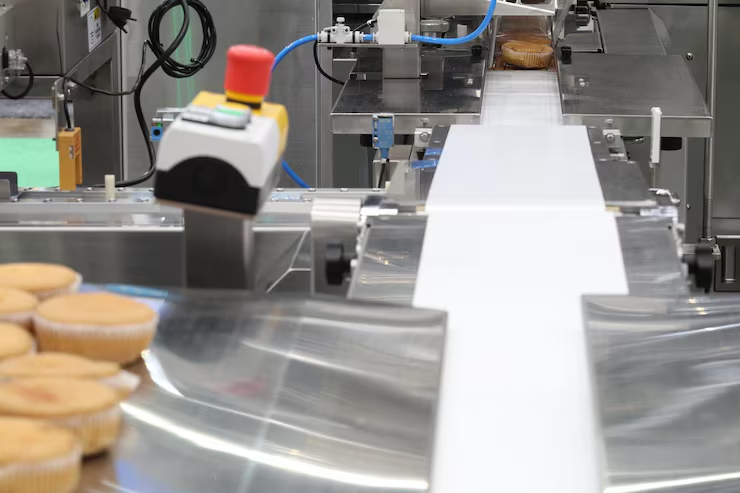
Food and beverage: Ensures hygienic and secure packaging while minimizing material use.
Pharmaceuticals: Protects sensitive products with consistent, precise wrapping.
Consumer goods: Enhances presentation and reduces packaging waste for retail items.
Industrial products: Bundles and secures components efficiently while conserving materials.
Conclusion
Incorporating a Texwrap machine into packaging operations provides significant sustainability advantages. From reducing material waste to enabling the use of recyclable or biodegradable films, Texwrap machines help businesses meet environmental goals without compromising efficiency or product safety.
For companies looking to combine sustainability with productivity, investing in Texwrap machines alongside high-quality machine parts ensures long-term reliability and eco-friendly packaging solutions.


Write a comment ...